Is Daily Use of Bergamot for Cholesterol Really Safe? Essential Precautions, Side Effects, and Who Should Avoid It
Table of Contents
High cholesterol is becoming one of the most common health problems in the world. For a lot of people, a normal blood test is the only way to find out that their levels are high.
As people learn more about how to keep their hearts healthy, more and more of them want to know how to keep their lipid levels healthy in a natural way. Citrus bergamot cholesterol is one of these new options that has gained a lot of attention.
The Mediterranean citrus fruit Citrus bergamia is where bergamot extract comes from. It is now easy to find as a natural supplement that might help lower LDL (“bad” cholesterol), boost HDL (“good” cholesterol), and make your heart healthier in general.
People who want to use plants to develop natural medications are very interested in it since it has a lot of flavonoids. But this is the most important question. If it’s from nature, is it safe to use every day? Many supplements are said to be safe and moderate, but any supplement that changes how cholesterol is broken down could also modify the liver, blood sugar, blood pressure, or interact with medicines.
Even if the advertising claim otherwise, it’s crucial to know both the good and terrible things that could happen.
You should know the following before you start taking bergamot every day to lower your cholesterol:
Is it safe to use every day?
What may happen that would be bad?
Could it have an effect on statins or other drugs?
Who should never use it?
What can you do to be sure it’s safe to use?
We will look into taking bergamot every day in a balanced method, using studies to tell the difference between real advice and hype. You may be sure that this will assist you in choosing what’s ideal for your heart health. Safety should always come first when it comes to cholesterol.
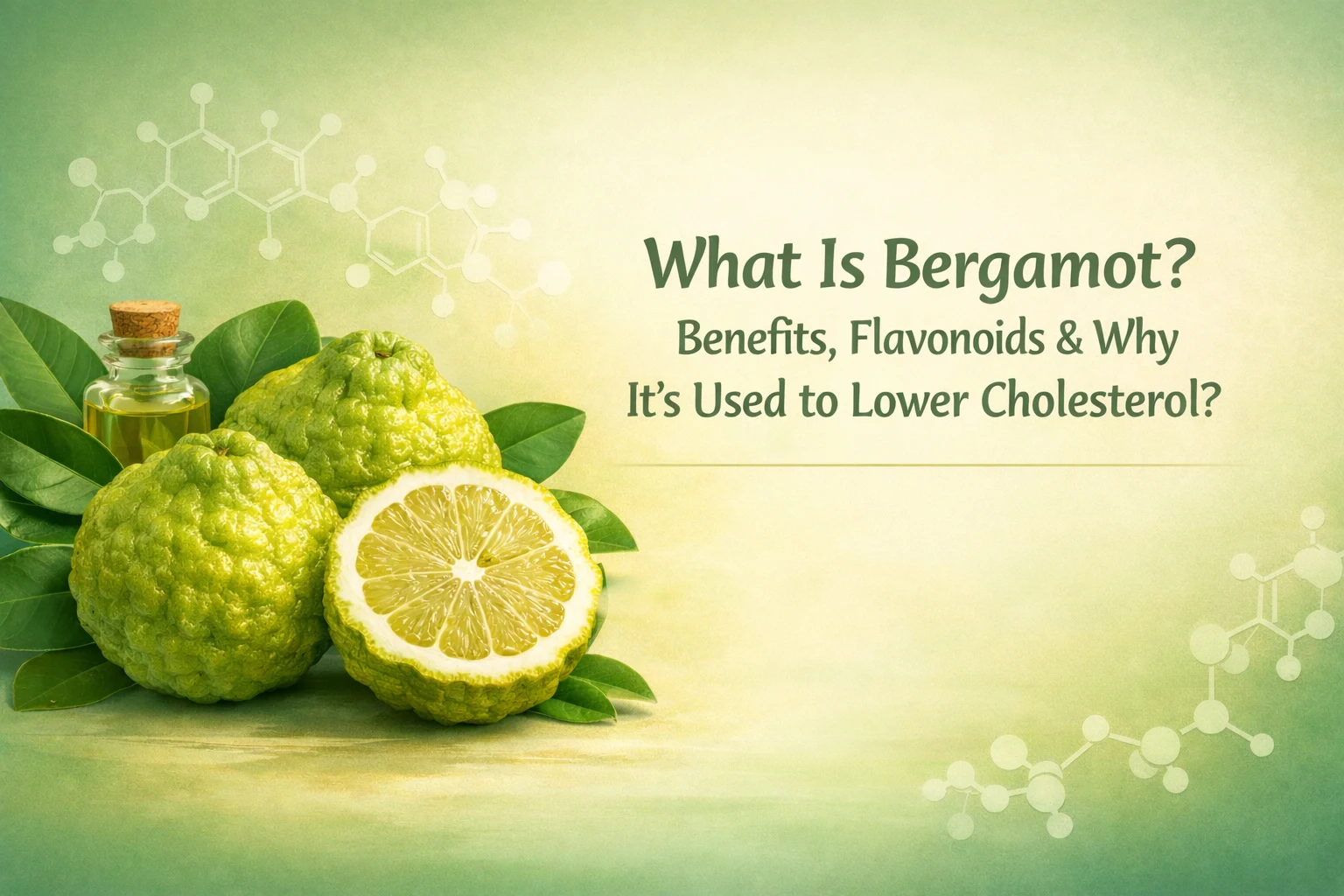
What Is Bergamot? Benefits, Flavonoids & Why It’s Used to Lower Cholesterol?
Bergamot is a type of citrus fruit that looks like an orange but tastes more bitter. Flavonoids are strong plant chemicals that are found in the extract.
Neoeriocitrin.
Naringin.
Neohesperidin.
People think these substances help:
Lower LDL, which is harmful cholesterol.
Raise HDL, or “good” cholesterol.
Lower triglycerides.
Help keep your heart and blood vessels healthy.
Because of these possible benefits, a lot of individuals are using bergamot for cholesterol as a natural alternative or addition.
Is Daily Bergamot Supplementation Safe? What Research Says
Most healthy adults seem to be able to handle modest daily doses of bergamot extract when they are taken as directed. But just because something is “natural” doesn’t imply it’s safe.
Daily supplementation may be safe if:
If you follow the right dosage requirements, daily supplementation may be safe.
You don’t have any health problems that would stop you from using it.
You aren’t taking any drugs that will interact with it.
Your doctor says it’s okay to use it.
Long-term safety research is still going on, so it’s crucial to be careful and get professional advice.
Bergamot Side Effects: Risks, Digestive Issues, Sun Sensitivity & What to Watch For
Bergamot Side Effects: Risks, Digestive Issues, Sun Sensitivity & What to Watch For -USA -Vasculex
Many users say they don’t have many adverse effects, but some people may have:
1. Digestive Discomfort
A little tummy ache.
Sick to your stomach.
Burning in the chest.
2. Muscle cramps (not common)
Some people have said that they feel slight muscle pain when they take bergamot with statins.
3. Blood Sugar Changes
Bergamot might affect how the body uses glucose, which could be a problem for persons with diabetes.
4. Light Sensitivity (Not Common)
Bergamot has chemicals that can make you more sensitive to light, thus using it too much may make you more sensitive to the sun. This happens more often with bergamot essential oil than with oral preparations.
Bergamot for Heart Health: Cholesterol Balance, Antioxidants & Metabolic Support
Bergamot for Heart Health: Cholesterol Balance, Antioxidants & Metabolic Support -USA - Vasculex
People frequently only think of decreasing LDL levels when they think about bergamot for cholesterol. But the overall picture is more than just the numbers on a test report. The main goal is to protect long-term heart health, and this is where bergamot heart health becomes quite interesting. Bergamot comes from the Citrus bergamia plant and has strong polyphenols and flavonoids that may help with more than simply cholesterol regulation.
Bergamot might help:
1. Helps Balance LDL, HDL & Triglycerides
A lot of the study on the cholesterol benefits of citrus bergamot focuses on how it can:
Help keep LDL levels healthy.
Help HDL cholesterol, which is “good.”
Lower triglycerides.
Make the total lipid ratios better.
Balanced lipid levels are important since cholesterol buildup in arteries is one of the main things that raises the risk of heart disease.
Balanced lipid levels are essential because cholesterol buildup in arteries is one of the key contributors to cardiovascular risk.
2. Antioxidant Benefits for Arteries & Vascular Health
Bergamot has a lot of antioxidant molecules that assist lower oxidative stress. Oxidative damage is a big part of how arteries get rigid and plaque builds up.
Bergamot may assist:
Healthier lining of blood vessels (endothelium).
Less swelling.
Better flexibility in blood vessels.
This antioxidant action is a major reason why bergamot cholesterol supplements are becoming more and more connected to heart health in general.
Metabolic function has a lot to do with heart health. Studies show that bergamot may also assist with:
Balance of blood sugar
How sensitive insulin is
Metabolism of fat
Metabolic syndrome is a big risk factor for heart disease, optimizing metabolic indicators helps keep your heart healthy in the long run.
Why Citrus Bergamot Supplements May Support Better Cholesterol Levels Naturally
Get premium bergamot to help lower your cholesterol and take charge of your heart health. Our sophisticated blend is powered by standardized extract from Citrus bergamia and is meant to help keep LDL levels healthy, support balanced triglycerides, and enhance overall heart health naturally. This strong mix, together with a healthy lifestyle, will help you feel good about your heart every day. Research has shown that citrus bergamot can lower cholesterol. It should be easy to protect your heart; thus, this is clean, effective, and made for daily usage.
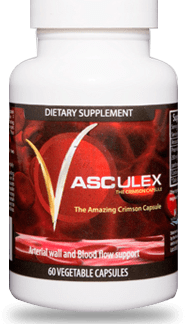
Vasculex Advanced Bergamot: Natural Support for Cholesterol & Heart Health
Every second of every day, your heart works for you. Isn’t it time to back it up with something that nature and science agree on?
Vasculex uses the clinically proven benefits of a standardized extract from Citrus bergamia to help keep cholesterol levels in check and improve heart health. This isn’t just another supplement; it’s a thoughtfully crafted heart-health companion for those who want to be smarter and more natural.
Conclusion: Is Bergamot Effective and Safe for Cholesterol Management?
Bergamot is quite popular for cholesterol because it may help keep the heart and lipid levels healthy. When used correctly, studies show that it can be a helpful part of a regimen for a healthy heart. Most healthy people seem to be able to manage moderate supplements well when an expert is supervising them. That being stated, not all supplements are safe for everyone. It’s vital to talk to a doctor or other health expert because medicines can affect each other, people have different health issues, and there isn’t enough long-term evidence. Instead of contacting a doctor, following their advice, or maintaining a healthy lifestyle, don’t use bergamot.
If you eat well, exercise regularly, and go to the doctor for checks, bergamot can be a good part of your heart health plan. Contact us .
FAQs About Bergamot for Cholesterol: Safety, Effectiveness & Usage