What are The Best Ways to Prevent a Stroke at Any Age

A stroke can happen at any point in life, so essential stroke prevention strategies are required at every age. Your preventive measures will minimize your risk factors while safeguarding your brain health. Knowing the best ways to prevent a stroker remains essential for long-term health regardless of your age group between 20 and 70.

This blog presents actionable advice on stroke risk reduction, along with care strategies for managing low blood pressure stroke symptoms and providing immediate care during a stroke event.

What is a stroke?

Blood blockages that prevent vital blood circulation toward brain regions result in cellular death or damage in the brain, making this the most frequent stroke type. Many adults around the world experience death or enduring disability from stroke attacks. The disorder inflicts harm to brain tissue. The aftermath of stroke brings permanent complications that trouble individuals for long periods:

  • The brain shows signs of memory loss and difficulties in thinking and speaking abilities.
  • Vision problems
  • Your ability to walk properly and your balance functions become challenging.
  • The brain cells survive when some body parts become paralyzed, and muscles weaken.
  • Trouble controlling or expressing emotions
  • Trouble with chewing and swallowing
  • Trouble controlling when you go to the bathroom

What are the signs of a stroke?

A stroke usually happens suddenly. Strokes develop both suddenly and gradually throughout hours up to multiple days. Signs of a stroke include:

  • Sudden dizziness accompanies loss of balance, making it difficult to walk.
  • People who experience sudden confusion experience difficulty speaking or understanding spoken words.
  • A person losing their vision in one or both eyes unexpectedly
  • The face or one arm or leg may become weak or sensationless, with particular numbness only occurring on one side of your body.
  • Sudden, severe headache with no known cause

FAST provides a useful memory tool to recognize stroke symptoms and emergency response steps when someone is experiencing a stroke: 

  • F (face drooping)
  • A (arm weakness)
  • S (speech trouble)
  • T (time to call 911)

Your chances of surviving and recovering from a stroke are better if you get emergency treatment right away.

What is a mini-stroke?

The symptoms of a mini-stroke are similar to those of a stroke, but they cease within a shorter period. The medical term for a mini-stroke is TIA, which stands for transient ischemic attack. Brain blood flow becomes blocked during a TIA for several minutes to hours. Having experienced a TIA increases your chances of developing a bigger stroke.

Stroke Recovery vs Stroke Prevention: Key Differences

It’s easy to see why acting quickly is so important when you know the difference between recovery and prevention.

What Stroke Prevention Is All About:

  • Lowering risk factors before damage happens:

To stop strokes before they happen, prevention focuses on cholesterol, blood pressure, weight, and inflammation.

Maintaining healthy circulation and vessel integrity:

Long-term habits are meant to keep blood flowing smoothly and make blood vessels strong.

Long-term lifestyle choices every day: 

Instead of emergency measures, prevention is based on habits that last.

What Stroke Recovery Is All About:

Restoring lost function after brain injury:

Getting back the ability to do things that were lost after a brain injury is what stroke recovery is all about. It can take months or even years to get back the skills that were hurt by the stroke.

Rehabilitation therapies:

Physical, occupational, and speech therapy are all types of rehabilitation that can help you regain your independence, speech, and movement.

Managing permanent changes: 

Some effects of a stroke may last a long time, so you may need to keep caring for them and making changes.

It’s always better, safer, and easier to stop something before it happens than to fix it after it happens.


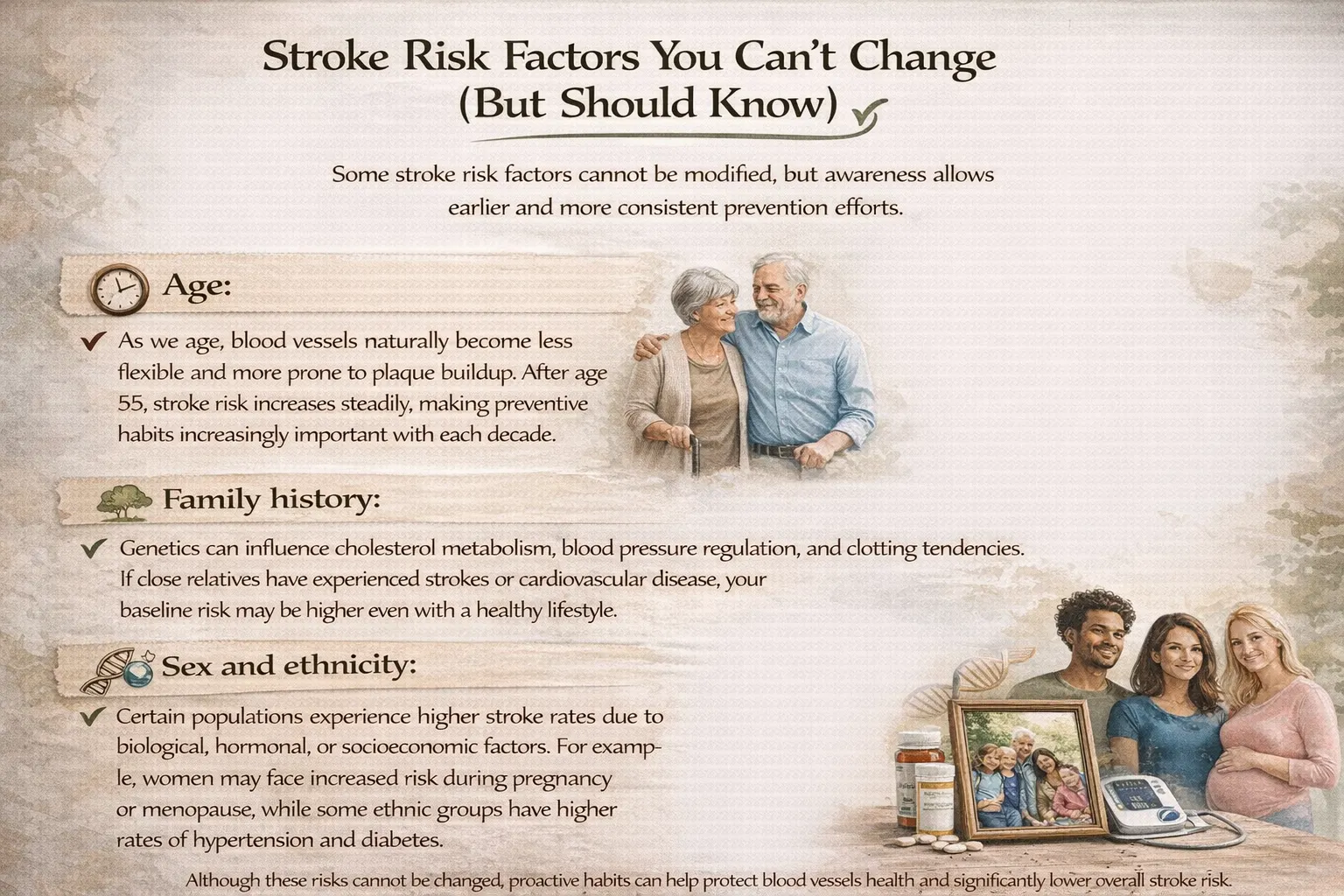
Stroke Risk Factors You Can’t Change (But Should Know)

Stroke Risk Factors You Can’t Change - VASCULEX - USA

Stroke Risk Factors You Can’t Change (But Should Know)

There are certain stroke risk factors that cannot be altered but knowing about them will lead to the application of preventive measures that are earlier and more regular.

Age:

With aging, the blood vessels lose their elasticity and are more likely to get blocked with plaque. The risk of stroke gets higher with every decade after 55, hence, the preventive measures become more and more important.

Family history:

The genetic factor can greatly affect the person’s cholesterol metabolism, blood pressure regulation, and clotting. If one’s immediate family members have had strokes or other cardiovascular diseases, the person might be at a higher baseline risk than those with a healthy lifestyle.

Sex and ethnicity:

Different groups have varying occurrences of strokes and the reasons can be biological, hormonal, or socioeconomic. To illustrate, women may be at a greater risk during the time they are pregnant or going through menopause, while certain ethnic groups might have a greater prevalence of hypertension and diabetes.

Even though these risks are unchangeable, people with good habits can still protect the  blood vessels health and cut down the risk of stroke significantly by a large margin.

Here are some ways you can prevent stroke and lead a healthy life.

  • Proper Diet

A proper diet is essential for maintaining a healthy body. Poor diets lack essential nutrients, leading to abnormal cholesterol levels and faulty blood pressure readings. Our diet requires fresh vegetables and high-fiber foods with low-fat content. Moderate daily consumption and proper micronutrient intake are significant factors in stabilizing general wellness. Our daily food consumption must have a strict limit on salt intake, which should not exceed one teaspoon. Consistently using high salt levels can cause changes in blood pressure readings.

A heart-friendly diet also helps with what dissolves arterial plaque, especially when combined with antioxidant-rich foods, omega-3 fatty acids, and reduced sugar intake.
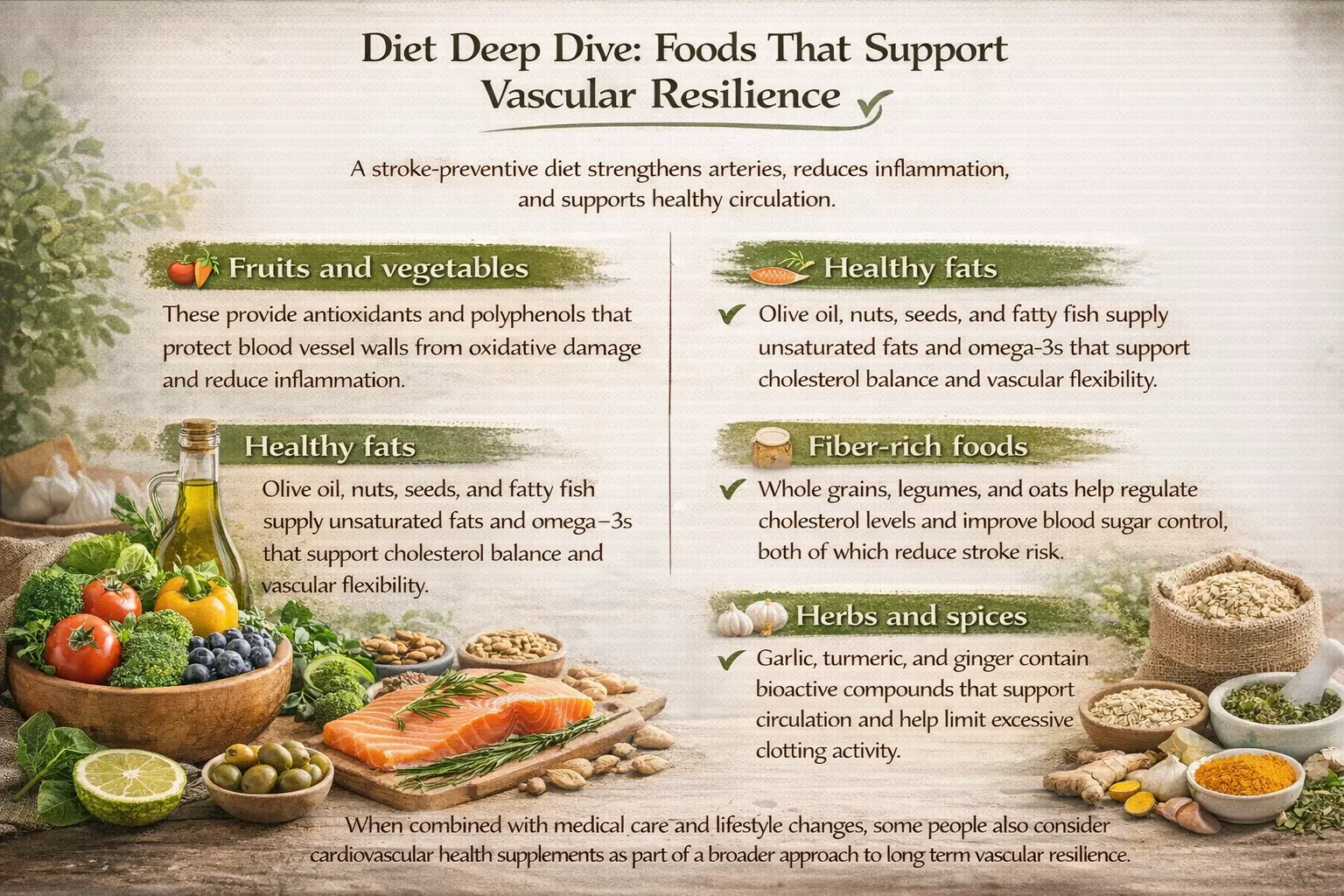
Diet Deep Dive: Foods That Keep Your Vascular System Strong After “Proper Diet

Diet Deep Dive: Foods That Support Vascular Resilience - Vasculex - USA
Diet Deep Dive: Foods That Support Vascular Resilience – Vasculex – USA

A diet that helps keep strokes from happening makes arteries stronger, lowers inflammation, and helps blood flow.

Fruits and vegetables: 

These are full of antioxidants and polyphenols that protect blood vessel walls from damage caused by free radicals and lower inflammation.

Healthy fats:

Olive oil, nuts, seeds, and fatty fish are all good sources of omega-3s and unsaturated fats that help keep cholesterol levels in check and blood vessels flexible.

Foods high in fiber: 

Whole grains, legumes, and oats help lower cholesterol levels and better control blood sugar, both of which lower the risk of stroke.

Herbs and spices:

Garlic, turmeric, and ginger are herbs and spices that have bioactive compounds that help blood flow and stop too much clotting.

Some people also see cardiovascular health supplements as part of a bigger plan to keep their blood vessels healthy over the long term, along with medical care and lifestyle changes.

  • Regular Exercise

Exercise is crucial for maintaining body fitness and heart wellness. Aerobic activities like cycling, jogging, walking, and swimming help our health parameters stay at their correct levels. Exercise also helps maintain blood pressure within healthy ranges while managing cholesterol levels in the bloodstream. To reduce stroke risk, individuals need at least 30 minutes of physical exercise each day, which should be done at moderate intensity levels.
The key to stroke recovery is physical exercise, which you should consult with a specialist at your closest hospital about. People who lead a sedentary lifestyle would probably find it challenging to begin with 30-40 minutes of daily exercise on their first try. Begin your brisk walking exercise with 10 minutes, then add additional time weekly until you reach your desired level

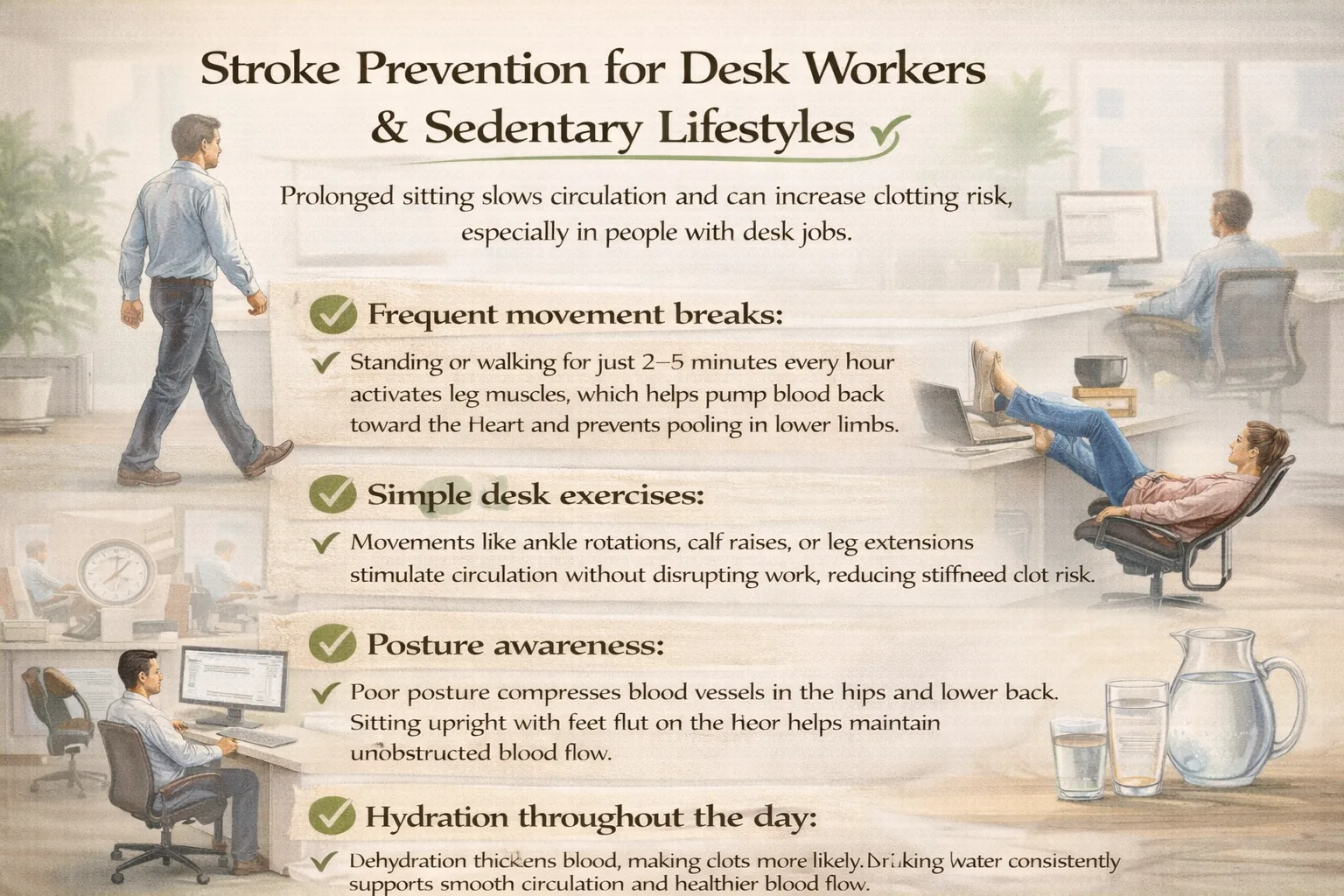
Stroke Prevention for Desk Workers & Sedentary Lifestyles

Stroke Prevention For Desk Workers & Sedentary Lifestyle - VASCULEX - USA
Stroke Prevention For Desk Workers & Sedentary Lifestyle – VASCULEX – USA

People who work at desks are more likely to get blood clots because sitting for a long time slows down blood flow.

  • Frequent movement breaks:
    Moving around during breaks is important. Standing or walking for just 2–5 minutes every hour gets the leg muscles moving, which helps pump blood back to the heart and stops it from pooling in the lower limbs.

Simple desk exercises:

Moving your ankles, raising your calves, or stretching your legs while you work can get your blood flowing without getting in the way of your work. This lowers your risk of blood clots and stiffness.

Posture awareness:

Be aware of how you sit and stand. Poor posture puts stress on the blood vessels in your lower back and hips. Keeping your feet flat on the floor and sitting up straight helps blood flow freely.

Drinking water all day: 

When you don’t drink enough water, your blood gets thicker, which makes it more likely that clots will form. Regularly drinking water keeps your blood flow and circulation healthy.

These habits work together to keep blood circulation in heart and all over the body, even when you have a long day at work.

  • Quit Smoking and Alcohol

Stroke risk becomes substantial for those who continue to smoke cigarettes regularly. Alcohol consumption patterns share with smoking a risk factor in causing this fatal medical condition. Stroke-induced paralysis occurs when smoking creates blood clots that clog in our arteries. Giving up cigarettes results in improved health throughout our entire body while simultaneously healing our lungs. Drinking alcoholic beverages leads to significant weight gain due to their high caloric content. The consumption of alcohol enhances stroke risk factors by three times while simultaneously triggering major blood pressure swings.

  • Lose Weight

Obesity is the leading cause of stroke. Multiple health complications develop from obesity due to elevated cholesterol levels and increased blood pressure, which are direct risk factors for adult stroke. Consistently monitoring our weight and maintaining a Body Mass Index below 25 helps preserve our risk of stroke. Weight loss requires us to eat healthily and exercise correctly. By spending more calories than we consume, we generate a caloric deficit, an effective weight loss method.

Obesity may also contribute to excessive clotting risks, so embracing natural remedies for blood clots  such as turmeric, garlic, and regular hydration can support circulation naturally.

The main causes leading to strokes affect millions of people globally throughout the world. World Stroke Day is an annual observance dedicated to raising awareness about this significant healthcare issue on October 29th of each year. Regular visits to your local super specialty hospital through health check-ups can determine your current body health and future risk factors.
Can Medications Help in Stroke Prevention?

  • The impacts of lifestyle changes alone may prove inadequate for certain situations. Medication maintain a crucial position in treating specific cases:

    • Patients with high blood pressure benefit from using antihypertensive medications. 
    • Statins for high cholesterol
    • Prescription anticoagulants and antiplatelet drugs help prevent ischemic stroke.
    • People with diabetes need medications that help manage their blood sugar.
    • Consult your doctor regarding medication changes before beginning or ending treatment.
    • The Science Behind Natural Blood Thinners

      People who want to help their heart without medication need to know, in general, how those natural blood thinners work. Blood clots occur when platelets accumulate to stop bleeding, but an overactive version of the process can cause heart attacks or strokes. Herbs, food, and supplements rich in natural substances can measurably reduce this clotting tendency without harming the body’s vital clotting system.

      • Garlic, turmeric, and ginger also contain molecules that function as antiplatelet aggregators.
      • Omega-3 fats, particularly from fish oil, are also known as natural blood thinners.
      • Nattokinase, an enzyme derived from fermented soy, might break down fibrin, a protein that plays a role in blood clot formation.
      • Additionally, vitamin E and certain flavonoids help increase blood flow and enhance vascular health.

      These are some of the natural alternatives which are commonly found in a Natural Blood Thinner Supplement, which is created to improve circulation and lower clotting tendency. You should always check with a healthcare provider before using them in conjunction with a prescribed anticoagulant.

      The Role of Citrus Bergamot in Heart Health

      The power of polyphenols to help promote cardiovascular wellness. Citrus bergamot is a small citrus fruit that grows in the Italian region of Calabria and has been studied for its powerful polyphenolic flavonoid compounds. Its bioactive compounds —particularly brutieridin and melitidin — accomplish this by aiding cholesterol metabolism and battling inflammation.

      • Bergamot extract can also possibly lower LDL (bad cholesterol) and increase HDL (good cholesterol).
      • It also enhances endothelial function, which keeps the blood vessels lining healthy.
      • Research suggests that bergamot may improve cholesterol levels and overall metabolic health.

      The result is that bergamot has taken a front seat in supplementation for supplement heart health and other formulas that provide natural support for anyone concerned with heart disease and stroke.

      Antioxidants and Their Impact on Stroke Prevention

      Oxidative stress is not conducive to healthy blood vessels, contributes to the formation of clots, and may be part of the underlying cause of high blood pressure. This makes antioxidants a vital part of any strategy to prevent stroke by preventing free radical damage to the walls of arteries or the clotting cascade (if it is a clot-based stroke).

      • Coenzyme Q10 (CoQ10) attenuates mitochondrial dysfunction and enhances endothelial function.
      • They also protect cell membranes and collagen in the arteries from harmful free radicals.
      • The master antioxidant glutathione also detoxifies oxidative by-products and increases vascular tone.
      • Alpha-lipoic acid and resveratrol fight off inflammation and plaque.

      Adding those Best antioxidant supplements  to your daily schedule can keep your arteries doing what they’re supposed to do, improve your circulation, and even protect your neurological health long-term.

    Women-Specific Considerations

    Women face distinctive stroke risk factors due to pregnancy along with birth control pill usage and changes that occur when menopause starts. Proper preventive steps should include:

    • Blood pressure needs close monitoring throughout every pregnancy stage.
    • Consult with your healthcare provider to determine safe birth control methods when you have medical risk factors.
    • Recognize stroke symptoms because stroke warning signs tend to differ from woman to woman.

    The Role of Vasculex in Stroke Prevention

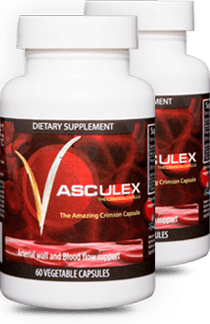
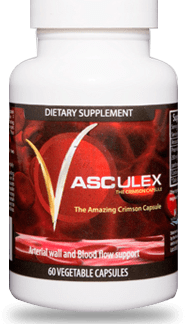
    Vasculex has achieved more than two decades of clinical evidence supporting its benefits for cardiovascular health. Vasculex enhances blood vessel health through improved PAI-1 expression and improved circulation which works to decrease stroke risks.

    Why Choose Vasculex?

    • Supports optimal blood vessel function.
    • Vasculex supports the maintenance of optimal blood circulation in the body.
    • Vasculex helps stop blood clots from developing.
    • Vasculex has been tested in clinical settings yielding documented positive outcomes.
    • Adding a trusted supplement like Vasculex may complement your broader efforts, mainly if you’re focused on natural treatment for blood clots alongside diet and exercise.

    Begin your journey to better health right now. Try Vasculex to improve blood circulation and protect against stroke.

    Final Thoughts

    Understanding stroke prevention methods can extend your lifespan while improving your health status. Combining blood pressure control, regular exercise, and heart-healthy eating habits can dramatically decrease your chances of suffering a stroke.

    Stay proactive. Start today. Order Vasculex now for better cardiovascular health!

Supporting Vascular Health

blood circulation in heart

Heart health supplements support vascular health by increasing circulation, protecting the veins and arteries, and controlling inflammation. antioxidants, plant-based substances, and certain nutrients in particular are most effective in this, especially in cases where someone is at high risk of stroke.

The main advantages of such supplements for the targeted area are the improvement of endothelial function, the balancing of cholesterol levels, the support of normal blood pressure, and the prevention of the undesirable clumping together of platelets that can result in clots. Antioxidants, omega-3 fats, flavonoids, and other plant-derived compounds contribute to the defense of arteries against oxidative damage and accumulation of plaque and at the same time, they help to keep the flow of blood smooth.

Clinically-tested supplements can be the ally of lifestyle changes, medical care, and those who find it hard to obtain the necessary nutrients through food. If the use of supplements is well planned and controlled by healthcare professionals, they can contribute significantly to providing long-term vascular health and preventing strokes.

FAQs

Though completely preventing all strokes is not possible, it is still scientifically proven that around 80% of them can be prevented through the control of certain risk factors like high blood pressure, high cholesterol, diabetes, smoking, and obesity. A heart-healthy lifestyle, regular physical activity, a good diet, and proper medical check-ups all contribute to a lower risk of stroke.

The leading risk factor for stroke is high blood pressure (hypertension). This condition causes blood vessels to weaken and damage over time, thus increasing their likelihood of either bursting or being blocked by a blood clot. The safest way to prevent a stroke is to maintain blood pressure at a healthy level by means of proper eating, exercising, managing stress, and taking medications as prescribed.

People with high blood pressure, high cholesterol, diabetes, atrial fibrillation, obese individuals, or those who smoke or drink heavily are at greater risk for a stroke. If you have had a mini-stroke (TIA) or stroke in the past, or if there is a history of stroke in your family, your risk is also higher. A visit to your doctor that includes blood pressure, cholesterol, blood sugar, and heart rhythm tests will provide the best insight into your personal risk level.

logo.png